Operational Excellence for Pharmaceutical Manufacturing
Stable quality, compliance and more output from the same resources. For pharmaceutical manufacturers in Greece, Cyprus and Europe.
- Quality built into the process
- Data that stands up to audit
- Improvement within GMP
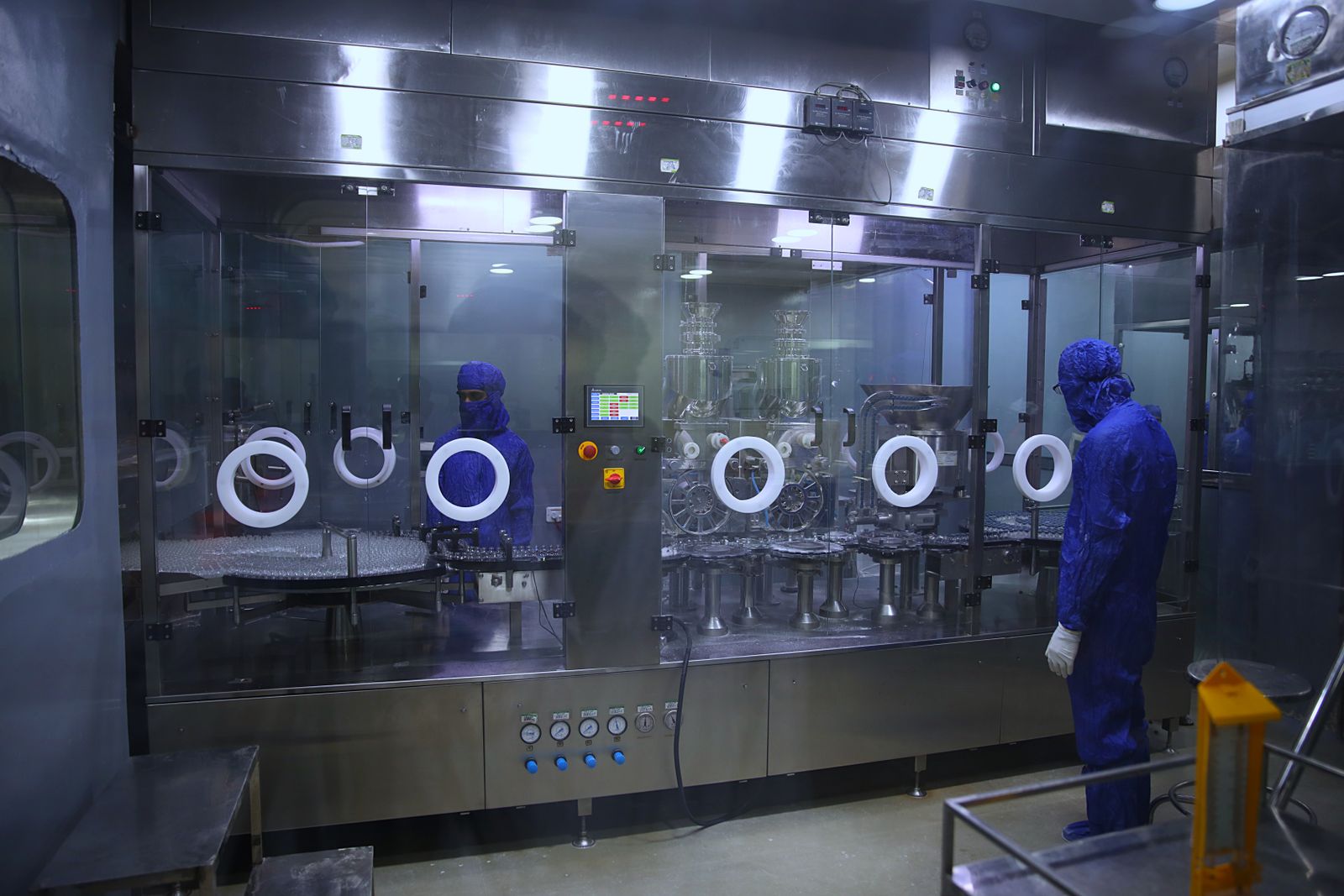
Why operational excellence matters
In pharmaceutical manufacturing every deviation has a cost: time, rejected batches, investigations and delayed release. Productivity and compliance are not opposites. A stable process produces fewer deviations and more product.
Greece Lean Six Sigma helps pharmaceutical sites reduce variation, shorten batch cycle time and close deviation investigations with proven root causes, within GMP and the existing quality system.
Where we help
Batch cycle time
Flow from material receipt to release, waiting, QC queues and batch documentation.
Deviations and CAPA
Root cause analysis, investigation quality, CAPA effectiveness and recurrence prevention.
Variation and process capability
CTQs, SPC, process capability, MSA and statistical thinking at critical points.
Changeovers and cleaning
SMED, cleaning and line clearance time, batch sequencing and equipment utilisation.
QC laboratories
Sample flow, workload, turnaround time and levelling of laboratory testing.
Daily management
Visual management, escalation, SQDCP indicators and continuous improvement routines on shift.
Common operational challenges
- Long batch release times
- Recurring deviations
- Investigations closed without a clear cause
- CAPA that does not prevent recurrence
- Long cleaning and changeover times
- Low equipment utilisation
- Queues in the QC laboratory
- Errors in batch documentation
- Rejects and reprocessing
- Variation between shifts
Our approach starts from the process, not from an off-the-shelf training course. We find where performance is lost, quantify the opportunity and choose the method that fits the problem.
From diagnosis to improvement
- Understand the processWe review flow, roles, data and controls.
- Set the baselineWe quantify performance with the right indicators.
- Find the dominant lossesWe focus on the problems with the biggest impact.
- Choose the right methodQuick win, Kaizen, root cause analysis, DMAIC or redesign.
- Sustain the resultWe build ownership, control, capability and daily management.
Typical performance indicators
Choose your starting point
Operational Excellence Diagnostic
Assessment of one process or value stream, with a prioritised map of improvement opportunities.
In-company training
A programme tailored to your sector, in a classroom or Live Online, with examples from your own operation.
Targeted improvement project
Lean Six Sigma applied to one specific problem, with a measurable result.
Related training
Frequently asked questions
Can Lean Six Sigma be applied in a GMP environment?
Yes. Improvements are designed within the existing quality system and follow the site change control procedure. The aim is more stable processes, never bypassing controls.
How do you help with deviation investigations?
We train teams in structured root cause analysis and coach them through real investigations, so CAPA targets the cause rather than the symptom.
Do you always start with training?
No. We start from the process. First we find where time, quality or cost is lost and what it costs. Then we choose a quick win, Kaizen, a DMAIC project or team training.
Can the training run in-house?
Yes. Programmes run in-company, in a classroom or Live Online, with examples from your own operation.
Where do you work?
We work with organisations in Greece, Cyprus and Europe, in Greek or English.
Start from the process.
Find the opportunities. Quantify the losses. Prioritise the improvements.